
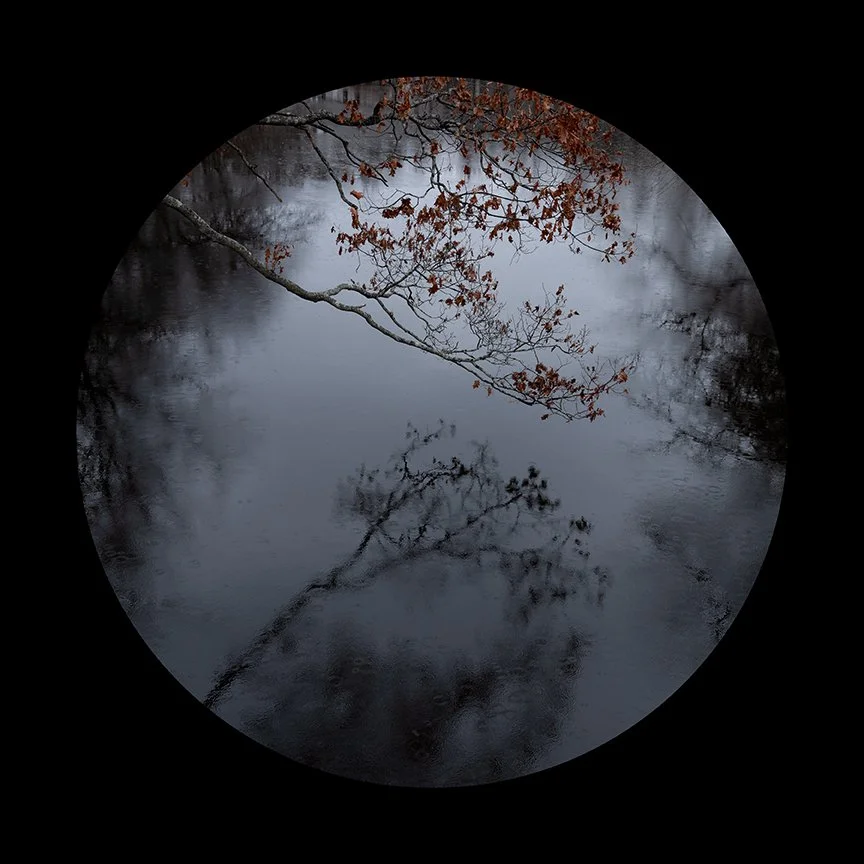
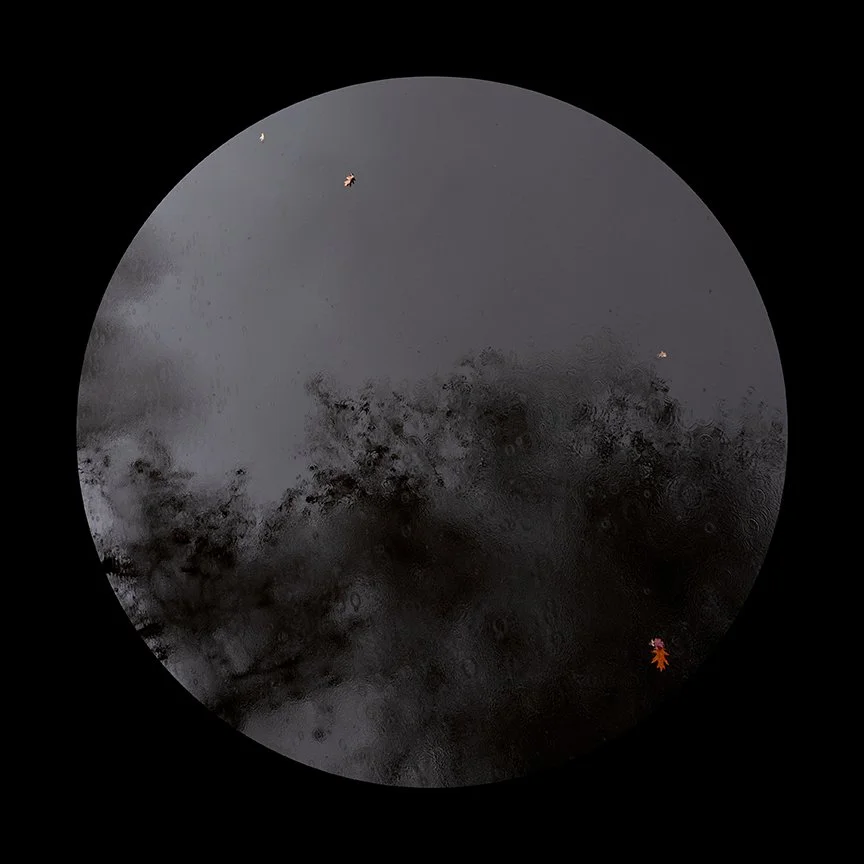
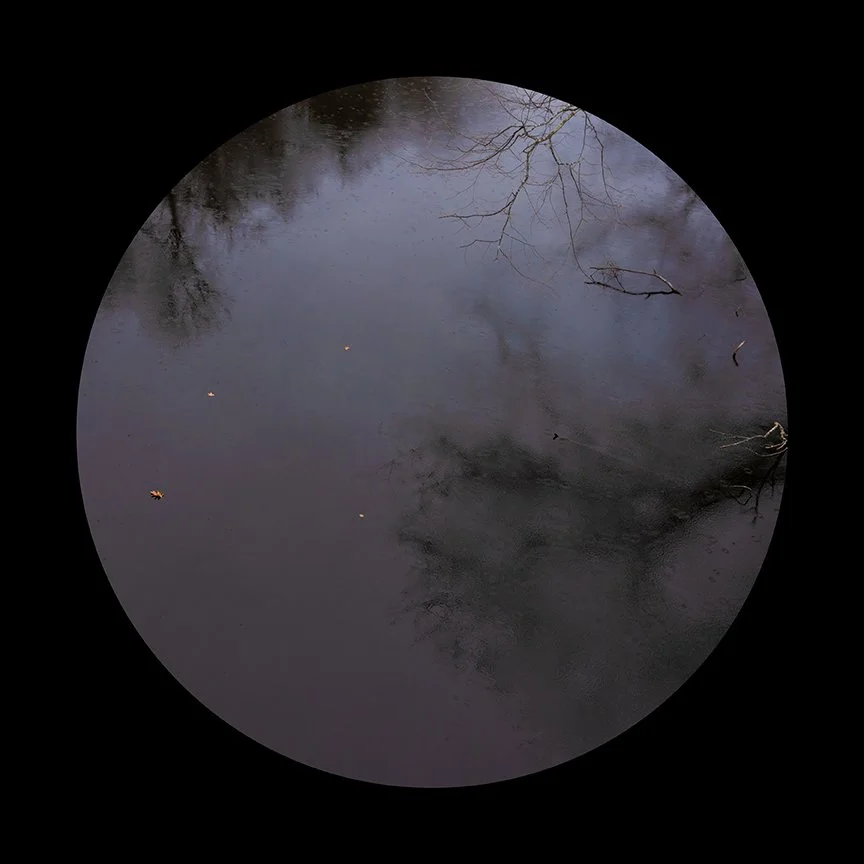
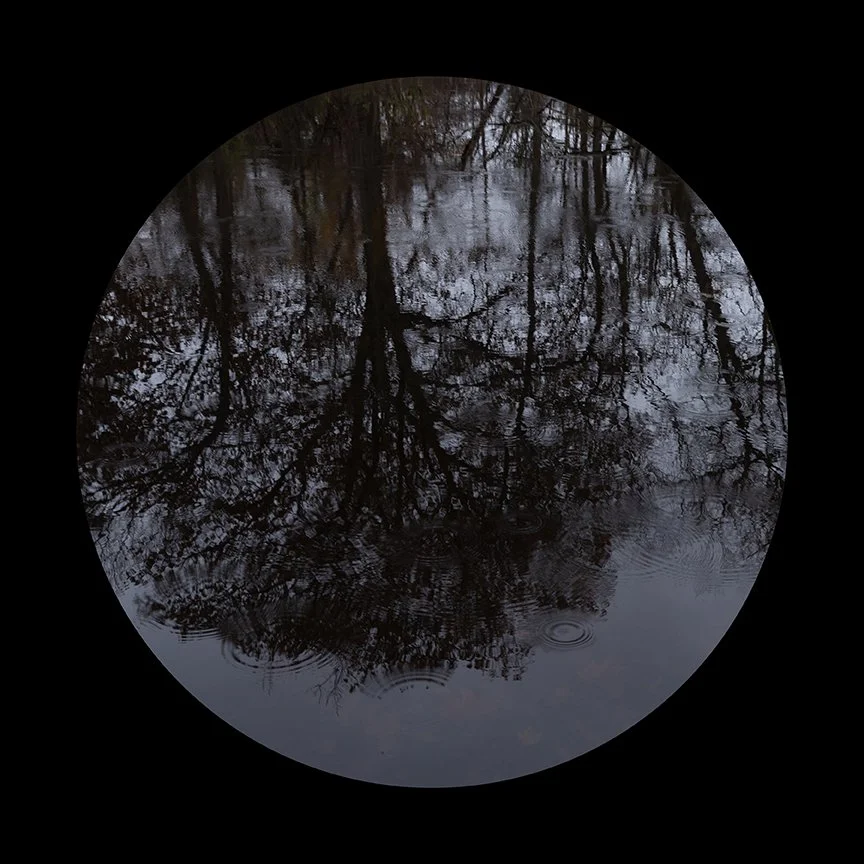
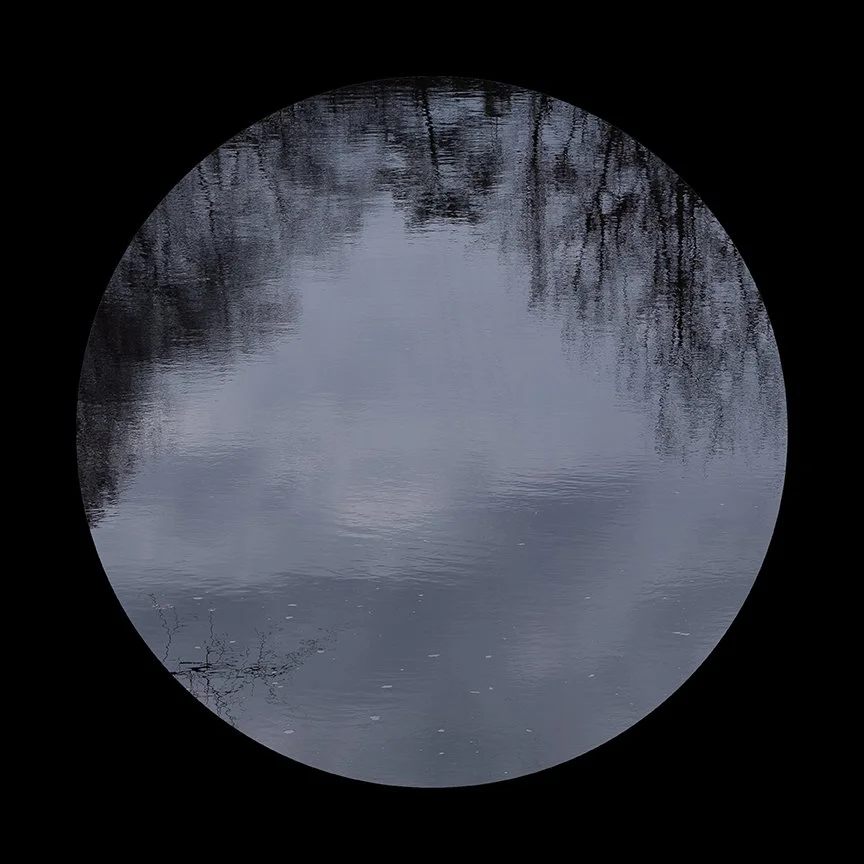
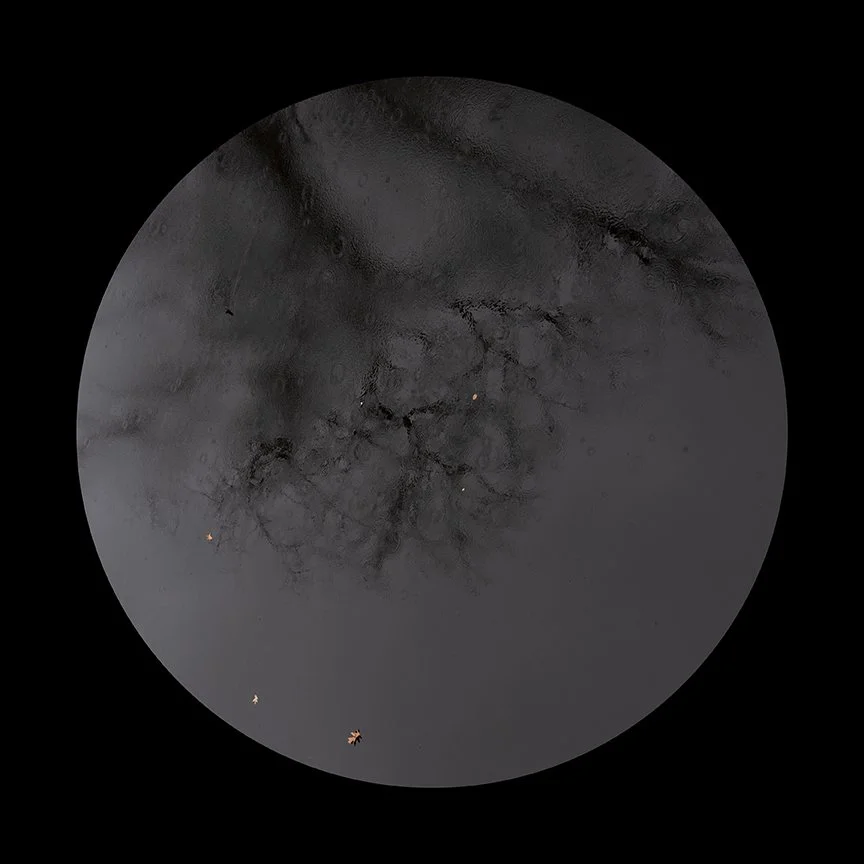
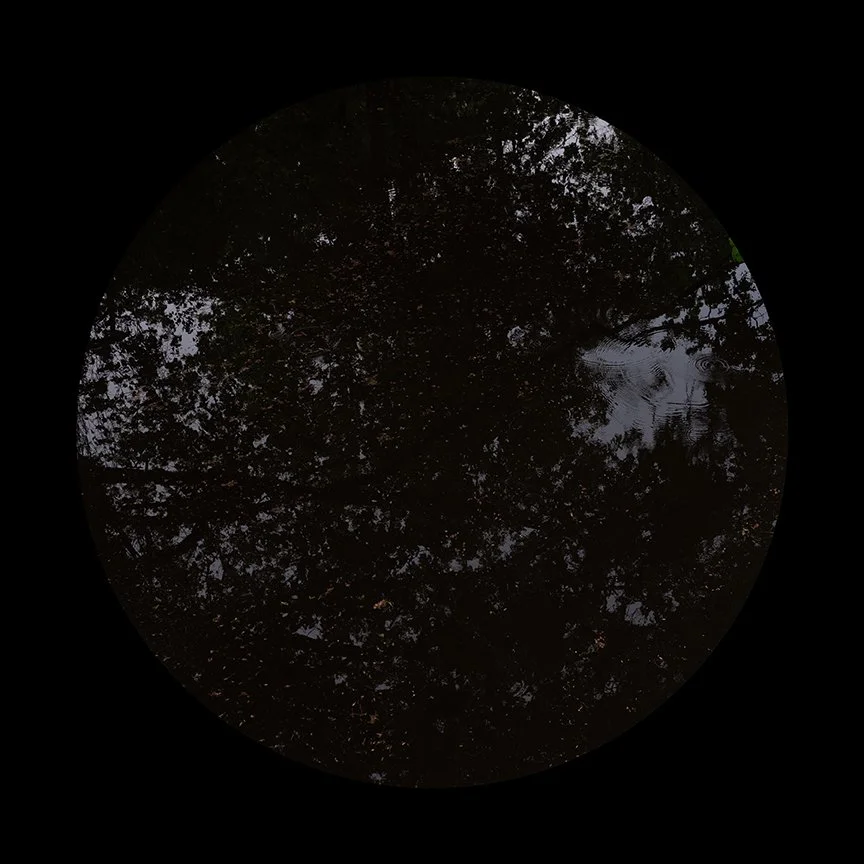
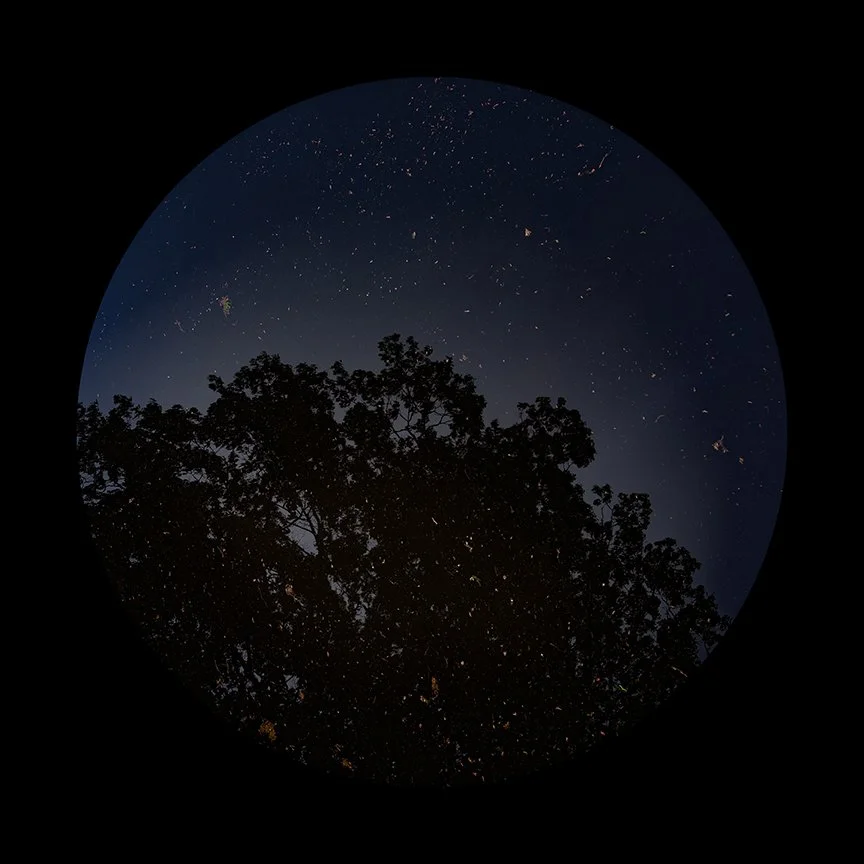
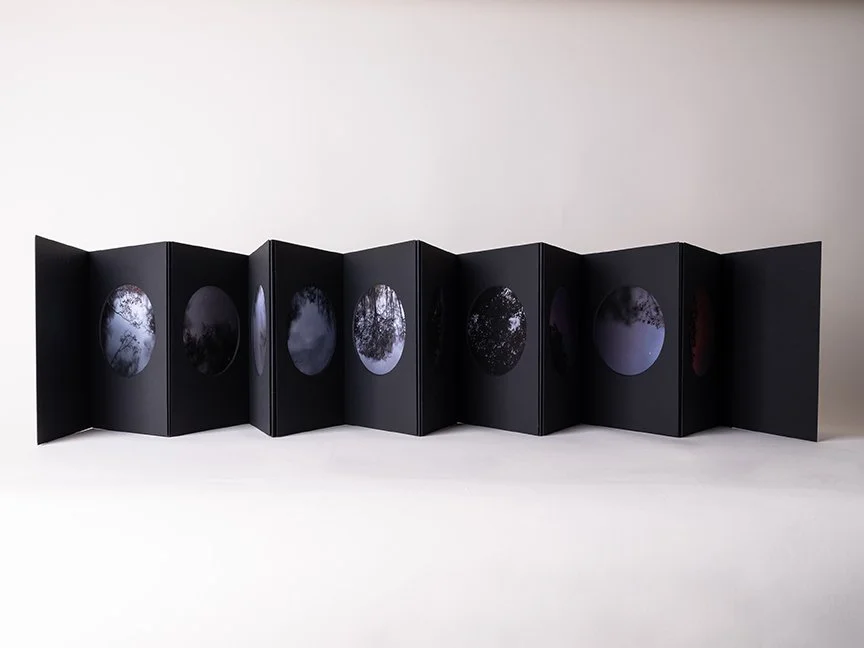
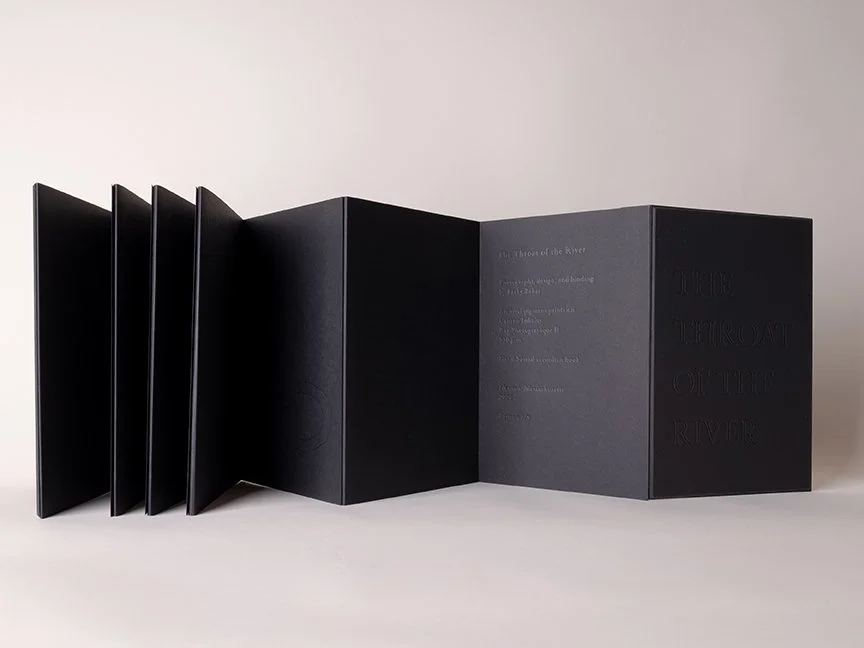
Project Statement
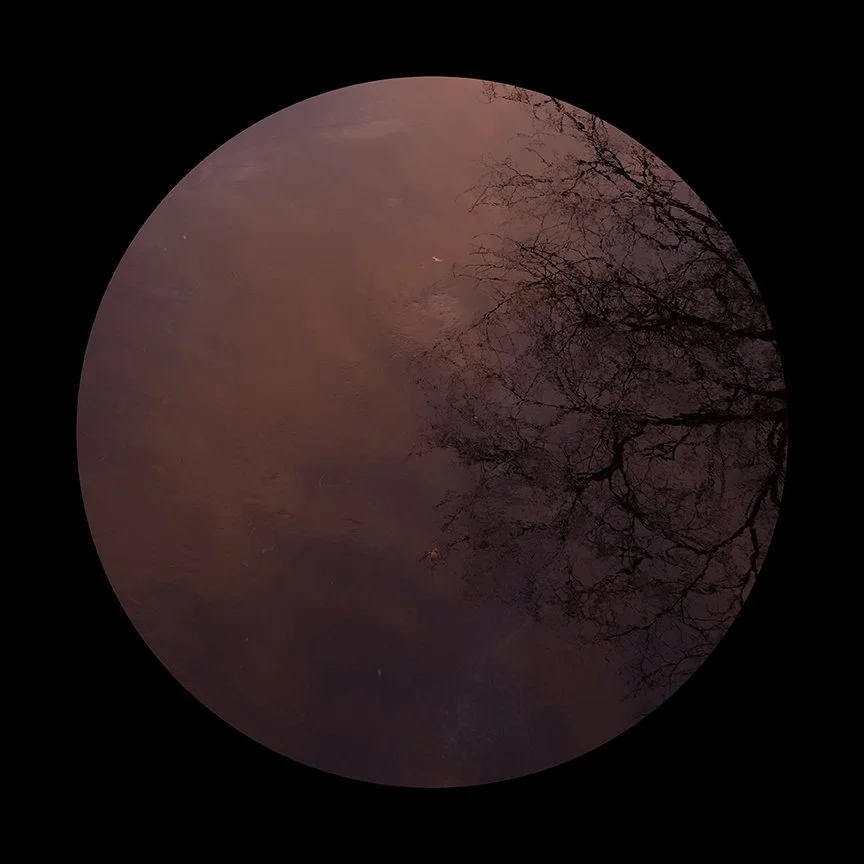
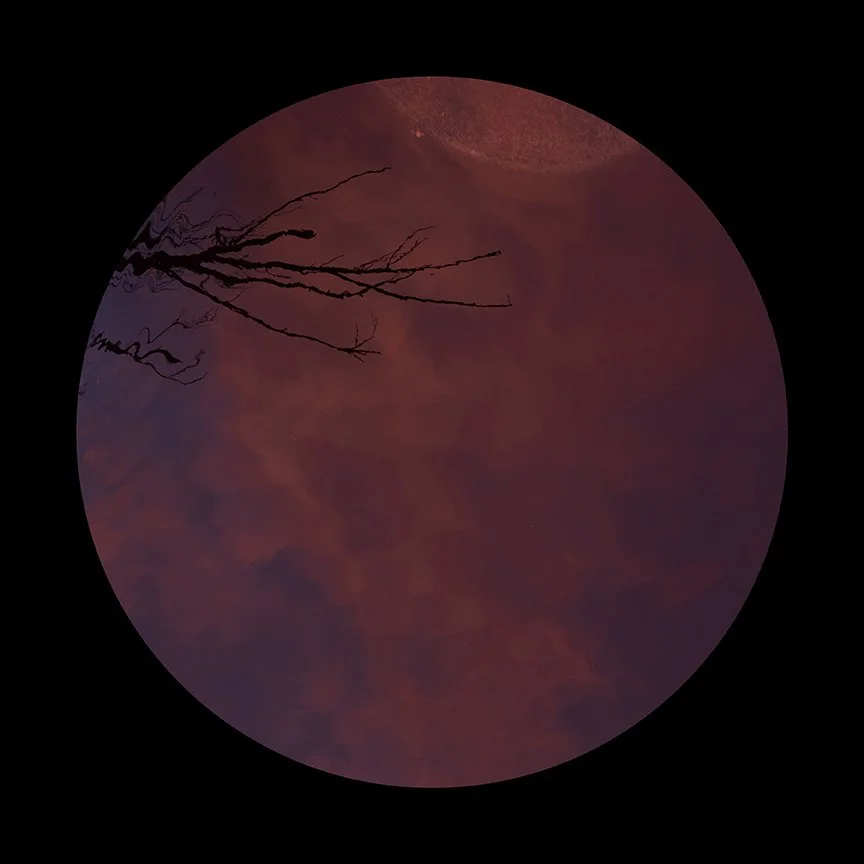
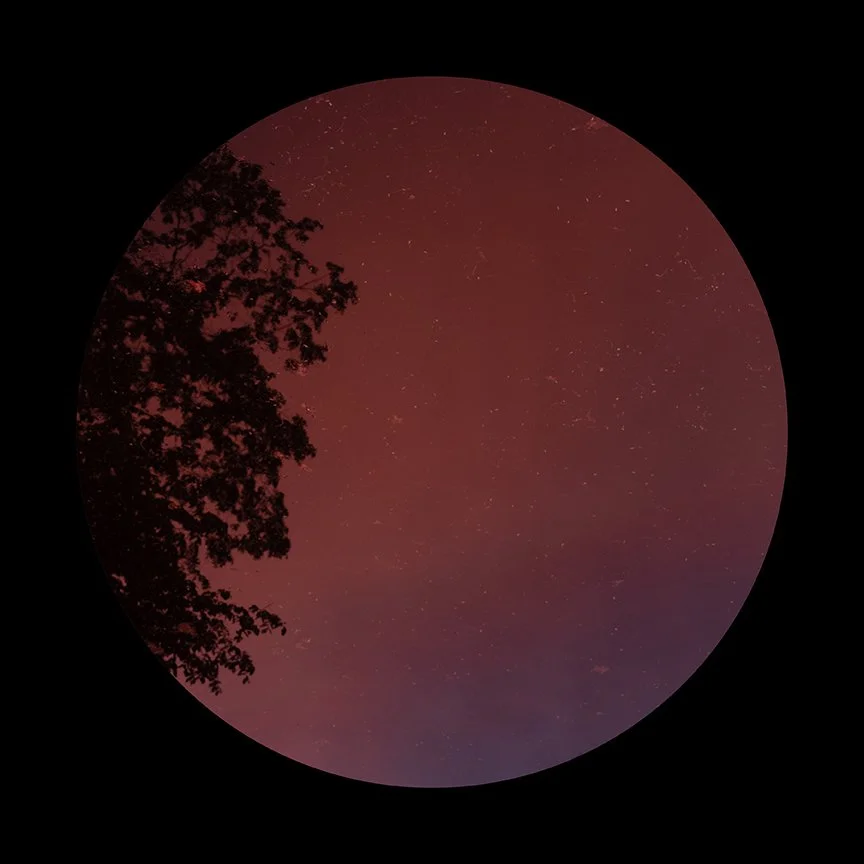
There is a wetland in my neighborhood. Partially hidden behind a ring of houses, and down a narrow gravel path, 10.5 acres of forested wetland thrive. On most sunny Saturdays I share the winding footpath with birdwatchers, runners, and small crews of volunteers tending to new seedlings. But we humans are easily outnumbered by the rest of the inhabitants. Foxes, salamanders, dragonflies, hawks, fishers, deer, muskrats, owls, bats, and bumblebees all reside in the wetland along with thousands of trees and plants. A basin lives here too, storing and filtering rainwater that flows to the Charles River. The water rises and falls across the year along with the wildflowers in the nearby meadow.
I used to think, perhaps naively, that this was the perpetual state of the wetland. But all of the vitality and splendor that I am able to witness in the land today was hard-won. Half of the wetlands in the U.S. have been destroyed since the 1780’s. Over 80% of wetlands in my city, Boston, have been destroyed in the same time. And much of what remains needs significant restoration. My neighborhood wetland almost didn’t beat these dire odds.
For many years, the land that is now known as Roslindale Wetlands was nameless and mistreated. People used the wetland as a dumping ground. Builders, city road crews, a tree removal company, and even passersby abandoned their waste and left. The build-up of debris was so great, that the wetland was impassible for humans. Plant life diminished. Wildlife diminished. The wetland could not store or filter water as it should, increasing flood risk for the whole neighborhood.
Starting in the 1970’s, there are records of letters from Roslindale residents to City of Boston officials. These heartfelt appeals to preserve the land and stop the dumping made a difference. Representatives from a new conservation initiative surveyed the wetland in 1975 and deemed the area, “ecologically significant.” Over the next 40 years, a variety of municipal departments worked to acquire the parcels of privately held land that made up the wetland. Eventually the city also passed ordinances to prohibit building and dumping waste in wetlands broadly. At the same time, neighbors organized and eventually formed a Roslindale Wetlands Task Force in 2003. Members went to town hall meetings with City officials, protested multiple plans from developers, raised funds to help acquire the land, and advocated for long-term preservation of the wetland.
In 2020, the final parcels of land were acquired and transferred to the Boston Conservation Commission for permanent protection and stewardship. Roslindale Wetlands then became a part of the Boston Urban Wilds conservation program. In 2022, Urban Wilds staff and volunteers began a major restoration project. Over two years, more than twelve tons of asphalt alone were hauled out. Thousands of invasive plants were removed and were replaced by restoration plantings. Two miles of walking trails have been laid around the perimeter of the wetland to contain and direct human foot traffic. In June 2024 the first stage of the restoration was completed, and Roslindale Wetlands opened to the public. About a month later, I found the new path to the wetland and began walking.
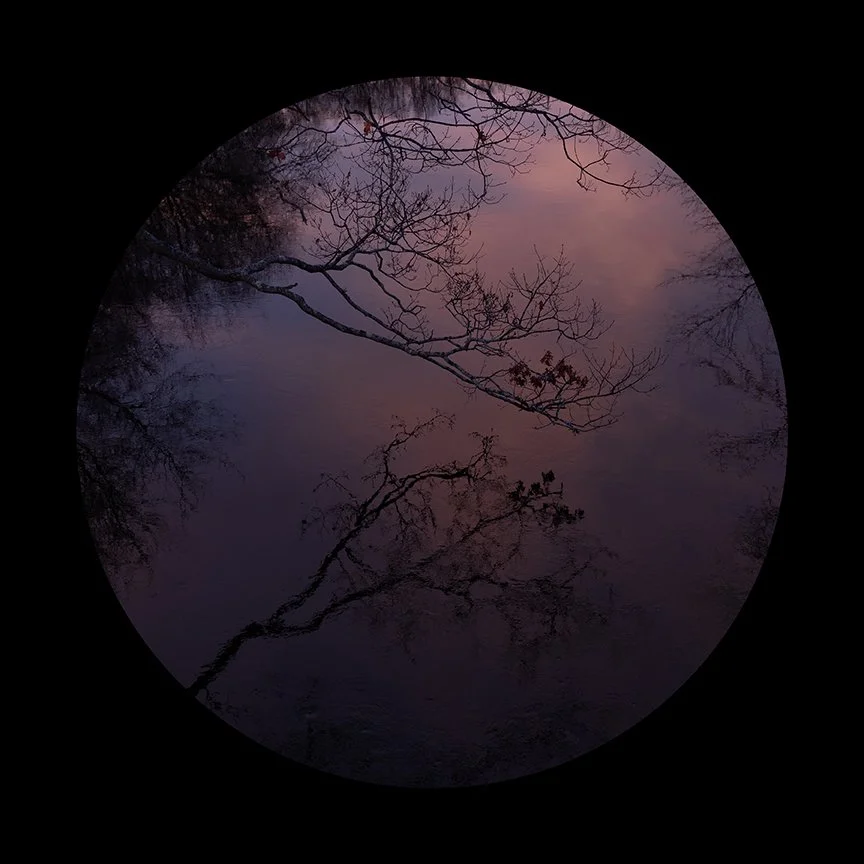
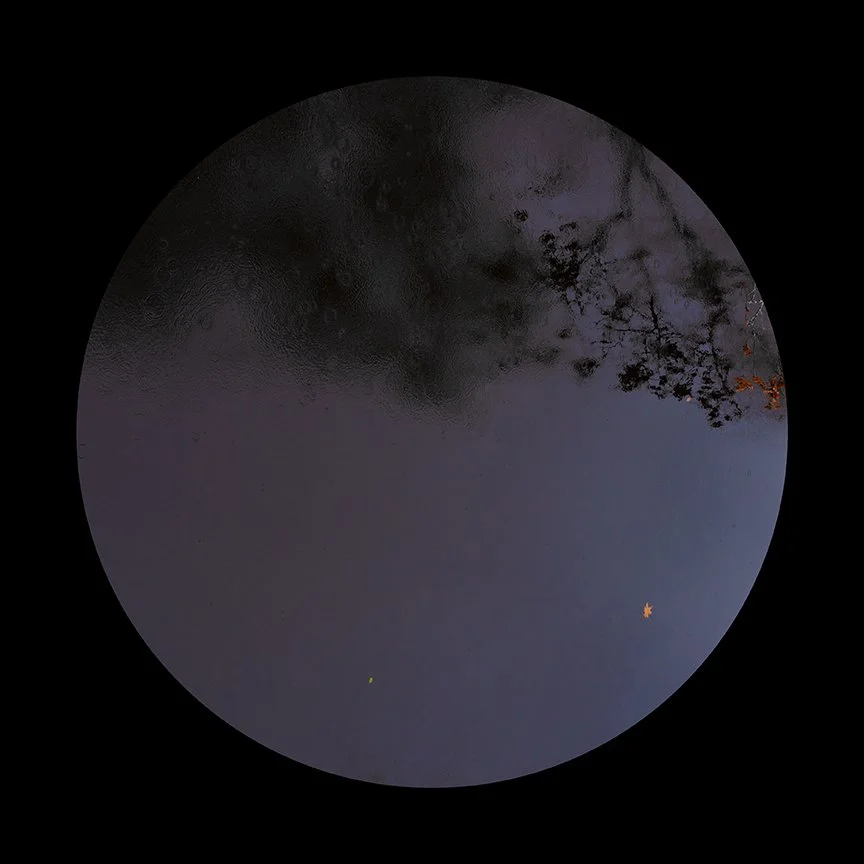
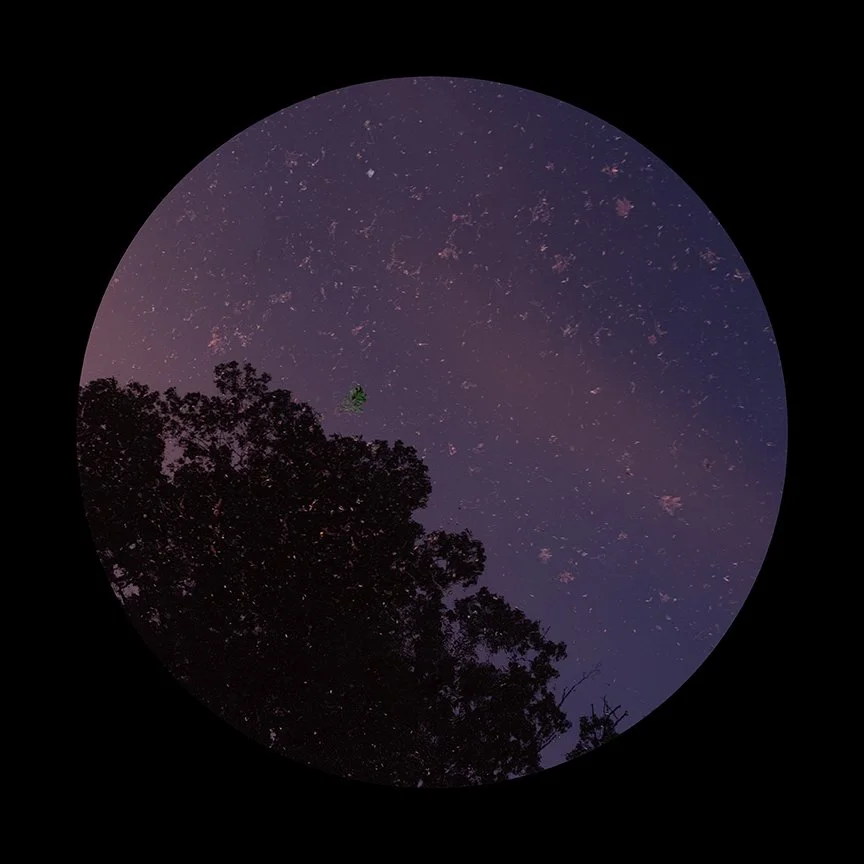
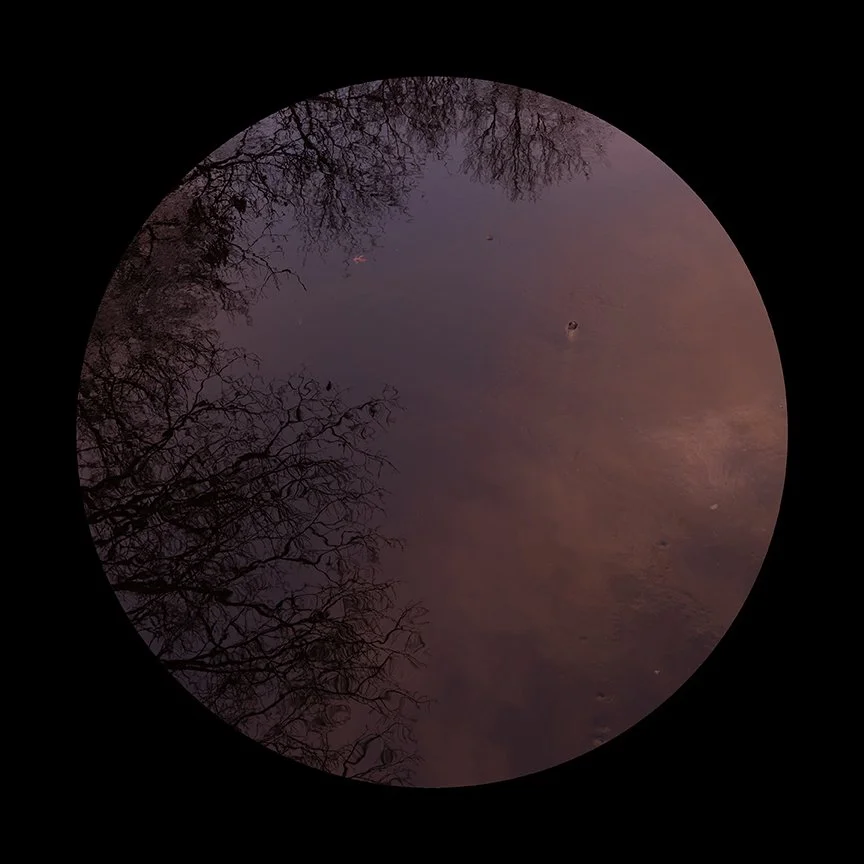
Like generations of Roslindale residents before me, the more I visit the wetland the more enamored I become. I started photographing and researching after just a few weeks of walking. I slowly pieced together this abridged history through visits to local archives, conversations with neighbors, and by serving as a volunteer photographer for the Boston Urban Wilds program. I kept walking too. And I slowly realized that every time I visit the wetland, I’m witnessing the culmination of over 50 years of advocacy and ecological restoration work. I’m documenting the regeneration of one wetland.
Patches of asphalt still linger, but they’re being reclaimed by grasses and sedges. The new paths are marked by human and animal tracks. Established trees flourish in unexpected places as current stewards are disinclined to cut them. Fragile seedlings and wildflowers are taking root under the shelter of hand-mended guards. Mature plant life verges on overtaking the back yards that border the wetland. Some of the human neighbors create stark barriers to mark the edge of the public wetland, others leave tokens of reverence for visitors to encounter. The wetland is brimming with life and signs of human devotion.
Over the last two years I’ve seen what happens when caring human intention return to an ecosystem. It is astounding. It is possible. Despite the bleak numbers, there are success stories. The story of Roslindale Wetlands is one of them.
—Lisa McCarty
Bio
Lisa McCarty is an artist, educator, and a naturalist-in-training. Equal parts forager & researcher, her photographs are informed by long-term fieldwork, reading, & archive digging. Her current projects focus on endangered ecosystems and conservation success stories in Greater Boston. In 2024, she founded the Charles River Composition.
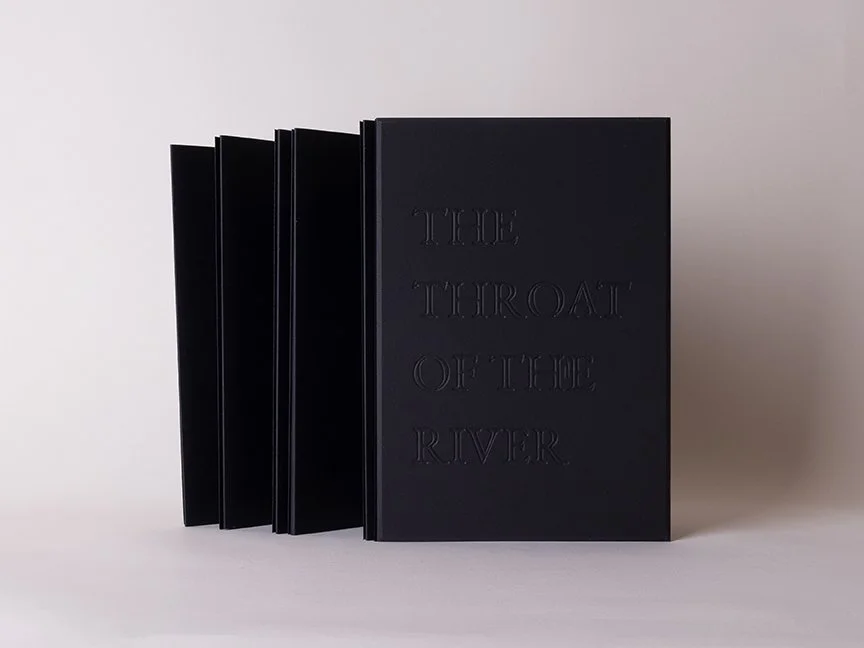
McCarty has participated in over 100 exhibitions and screenings at venues including the Emily Dickinson Museum, Boston City Hall, Fruitlands Museum, the Griffin Museum of Photography, the Thoreau Society, McEvoy Foundation for the Arts, the New York Film Festival, Microscope Gallery, Cassilhaus, the Nasher Museum of Art, and the Visual Studies Workshop. Her recent books include Transcendental Concord (Radius Books) and The Arboretum Aphorisms (SF Cinematheque Press). McCarty holds an MFA in Experimental & Documentary Arts from Duke University. She lives and works in Boston and teaches at Northeastern University.